When you've got old appliances piling up in your garage, leftover building materials from a renovation, or a damaged car taking up space in your driveway, metal and scrap recycling Sydney becomes more than just a convenient solution—it's an opportunity to make money while doing your bit for the environment. Whether you're a homeowner clearing out clutter or a business with regular scrap metal waste, understanding how metal recycling works in Sydney can help you maximize returns and contribute to a sustainable future.

Why Metal and Scrap Recycling Matters in Sydney
Sydney generates thousands of tonnes of metal waste annually, and much of it ends up in landfills when it could be recycled. Here's the thing: metals like copper, aluminium, steel, and brass are infinitely recyclable. That old air conditioning unit? The copper wiring alone could be worth more than you think. Those steel beams from your demolition project? They're valuable commodities waiting to be repurposed into new products.
Recycling metal reduces the need for mining, which is energy-intensive and environmentally damaging. For every tonne of steel recycled, we save 1,400 kilograms of iron ore, 740 kilograms of coal, and 120 kilograms of limestone. When you choose proper metal recycling, you're not just clearing space—you're actively reducing carbon emissions and conserving natural resources.
What Types of Metal Can You Recycle?
Not all metal scrap is created equal, and knowing what you've got can help you get the best price. Here's what most Sydney recyclers accept:
Ferrous Metals contain iron and are magnetic. Think steel beams, car parts, appliances, and old tools. While they're generally less valuable per kilogram than non-ferrous metals, they're still worth recycling and make up the bulk of most scrap collections.
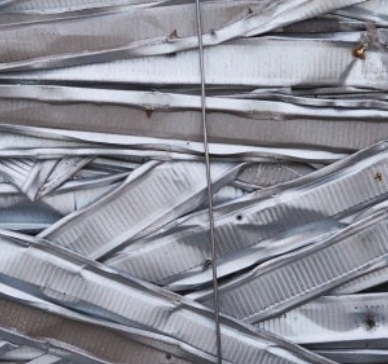
Non-Ferrous Metals don't contain iron and aren't magnetic. These include copper (from electrical wiring and plumbing), aluminium (from window frames, cans, and siding), brass (from fittings and fixtures), and stainless steel. These metals typically fetch higher prices because they're more sought-after by manufacturers.
Real-life example: A plumber friend recently renovated his workshop and had accumulated old copper pipes, aluminium ladders, and steel shelving. By separating his metals before taking them to a recycler, he earned nearly $800—enough to offset his new equipment purchases. That's the power of knowing your metals.
How to Get the Best Price for Your Scrap Metal
Getting top dollar for your scrap isn't complicated, but it does require a bit of know-how:
Separate Your Metals. Mixed loads fetch lower prices. Taking 20 minutes to sort copper from steel can increase your payout significantly.
Remove Non-Metal Components. Strip plastic casings, rubber, and other materials from your metal. Clean metal is more valuable metal.
Know Current Metal Prices. Metal prices fluctuate based on global demand. Reputable recyclers will offer fair, market-based rates and should be transparent about their pricing.
Choose Licensed Recyclers. Working with accredited facilities like Yennora Copper Recycling ensures you're getting legitimate pricing and that your metal is being processed responsibly.
The Recycling Process: What Happens to Your Scrap?
Ever wonder where your old car or dishwasher ends up? The journey is actually quite fascinating. Once you drop off your scrap (or have it collected), it goes through sorting, where different metal types are separated using magnets, sensors, and manual inspection. After sorting, metals are cleaned to remove contaminants, then shredded into smaller pieces for easier processing.
The shredded metal is melted down in large furnaces—steel melts at around 1,370°C while aluminium melts at a cooler 660°C. The molten metal is purified and formed into ingots or sheets, ready to be sold to manufacturers who'll turn them into new products. Your old washing machine might become part of a new car, building, or even another washing machine.
Environmental and Economic Benefits
Beyond the cash in your pocket, metal recycling delivers serious environmental benefits. Recycling aluminium saves 95% of the energy needed to produce new aluminium from raw materials. For copper, that number is about 85%. These energy savings translate directly into reduced greenhouse gas emissions.
Economically, Australia's recycling industry employs thousands of people and contributes billions to the economy. By choosing to recycle rather than dump, you're supporting local jobs and circular economy principles that keep materials in use rather than in landfills.
Tips for First-Time Recyclers
Starting your metal recycling journey? Here's some practical advice: bring identification as most facilities require it for payment processing. If you're unsure what type of metal you have, don't worry—experienced staff can help identify and sort it. Ask about current prices before you load up—knowing what's in demand can help you prioritize what to bring first. Consider regular clean-outs if you accumulate scrap through your work or hobbies, as establishing a relationship with a recycler often leads to better service.
Conclusion
Metal and scrap recycling in Sydney isn't just about clearing clutter—it's about making smart financial decisions while contributing to environmental sustainability. With competitive prices, convenient collection services, and professional facilities ready to help, there's never been a better time to turn your scrap into cash.
Whether you've got a garage full of old tools, a warehouse of industrial scrap, or just a few copper pipes from a bathroom renovation, Sydney's metal recycling industry is ready to help. The process is straightforward, the environmental benefits are substantial, and the financial return makes it a win-win situation.
Ready to get started? Find a licensed, locally-owned recycler who offers transparent pricing and quality service, and you'll wonder why you didn't start recycling sooner.

Write a comment ...